Ever wondered what a lead really is in today’s fast-paced digital world? The leads definition isn’t just about names and emails—it’s the lifeblood of sales and marketing. Let’s break it down with clarity, depth, and real-world relevance.


Leads Definition: What Exactly Is a Lead?

At its core, the leads definition refers to a potential customer who has shown interest in your product or service. This interest can be demonstrated in various ways—filling out a form, subscribing to a newsletter, downloading a guide, or even engaging with your content online. A lead is not yet a customer, but they are one step closer to becoming one.
Basic Characteristics of a Lead
Understanding the foundational traits of a lead helps marketers and sales teams identify, categorize, and nurture them effectively. These characteristics include:
- Contact Information: A lead typically provides identifiable data such as name, email, phone number, or company name.
- Expressed Interest: They’ve taken an action indicating interest—clicking a CTA, attending a webinar, or requesting a demo.
- Not Yet a Customer: While they may be considering a purchase, they haven’t completed a transaction yet.
Why the Leads Definition Matters in Business
The leads definition is not just a technical term—it’s a strategic cornerstone. Without a clear understanding of what constitutes a lead, businesses risk misallocating resources, targeting the wrong audience, or failing to convert interest into revenue. As HubSpot explains, a well-defined lead is the starting point of the sales funnel.
“A lead is the first handshake between a brand and a potential buyer—respect it, nurture it, convert it.”
Types of Leads: Breaking Down the Leads Definition by Category
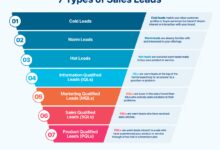
The leads definition expands when we consider the different types of leads a business might encounter. Not all leads are created equal. Some are warm and ready to buy, while others are just beginning their journey. Recognizing these differences is crucial for effective lead management.
Marketing Qualified Leads (MQLs)
Marketing Qualified Leads (MQLs) are individuals who have engaged with your marketing efforts but aren’t yet ready for a sales conversation. They might have downloaded an ebook, attended a webinar, or consistently opened your emails.
- They show behavioral interest but may lack intent to purchase immediately.
- MQLs are nurtured through email campaigns, content marketing, and retargeting ads.
- According to Marketo, MQLs are scored based on engagement metrics like page visits and content downloads.
Sales Qualified Leads (SQLs)
Sales Qualified Leads (SQLs) are leads that marketing has passed to the sales team because they’ve demonstrated clear buying intent. This could include requesting a product demo, asking for pricing, or engaging in a sales call.
- SQLs have met predefined criteria such as budget, authority, need, and timeline (BANT).
- They are considered high-potential and are prioritized for direct outreach.
- The transition from MQL to SQL is a critical handoff point between departments.
Product Qualified Leads (PQLs)
Product Qualified Leads (PQLs) are a modern addition to the leads definition, especially relevant in SaaS and freemium models. These are users who have experienced your product—often through a free trial or freemium version—and shown behaviors indicating they’re ready to upgrade.
- Examples include using key features, hitting usage limits, or inviting team members.
- PQLs are powerful because their interest is proven through product interaction, not just marketing engagement.
- As Paddle highlights, PQLs convert at significantly higher rates than traditional leads.
How Leads Are Generated: The Engine Behind the Leads Definition
The leads definition becomes actionable when we explore how leads are actually created. Lead generation is the process of attracting and converting strangers into prospects. This involves a mix of strategies, tools, and channels designed to capture interest and gather information.
Content Marketing and Lead Magnets
One of the most effective ways to generate leads is through valuable content. By offering free resources—such as ebooks, checklists, templates, or webinars—in exchange for contact information, businesses can build their lead database organically.
- Lead magnets must solve a specific problem or answer a pressing question.
- High-converting lead magnets are highly targeted and visually appealing.
- According to CoSchedule, lead magnets can increase conversion rates by up to 60% when optimized correctly.
Paid Advertising and Landing Pages
Paid channels like Google Ads, Facebook Ads, and LinkedIn Ads are powerful tools for driving targeted traffic to landing pages designed specifically for lead capture.
- Landing pages should have a clear value proposition, minimal distractions, and a strong call-to-action.
- A/B testing headlines, forms, and visuals can dramatically improve conversion rates.
- Tools like Unbounce and Leadpages specialize in creating high-performing landing pages.
Social Media and Organic Outreach
Social platforms are not just for brand awareness—they’re also lead generation powerhouses. Engaging content, direct messaging, and lead generation forms on platforms like LinkedIn and Facebook allow businesses to collect leads without paid ads.
- LinkedIn’s lead gen forms, for example, auto-fill user data, reducing friction.
- Live streams, Q&A sessions, and polls can spark engagement that leads to conversions.
- Consistent posting and community engagement build trust over time, making lead conversion easier.
Leads Definition in Sales Funnel Context
To fully grasp the leads definition, we must place it within the broader context of the sales funnel. A lead doesn’t exist in isolation—it’s a stage in a journey that begins with awareness and ends with a purchase (and ideally, loyalty).
The Top of the Funnel: Awareness and Lead Capture
At the top of the funnel (TOFU), the goal is to attract as many potential leads as possible. This stage is about visibility, education, and initial engagement.
- Content types include blog posts, social media updates, videos, and infographics.
- Leads captured here are often cold or unqualified but represent potential.
- Success is measured by traffic, engagement, and conversion rate to lead.
Middle of the Funnel: Nurturing and Qualification
In the middle of the funnel (MOFU), leads are nurtured with more targeted content. The focus shifts from awareness to consideration.
- Email drip campaigns, case studies, comparison guides, and product demos are common tools.
- Lead scoring systems help determine which leads are moving toward readiness.
- The goal is to build trust and demonstrate value before pushing for a sale.
Bottom of the Funnel: Conversion and Handoff to Sales
At the bottom of the funnel (BOFU), leads are hot—they’re ready to buy. This is where the leads definition transitions from prospect to customer.
- Final content includes pricing pages, testimonials, free trials, and consultations.
- Sales teams take over, using personalized outreach to close the deal.
- CRM systems like Salesforce or HubSpot track lead progress and ensure smooth handoffs.
Measuring Lead Quality: Beyond the Basic Leads Definition
Not all leads are worth the same. The true value of understanding the leads definition lies in the ability to assess lead quality. A high volume of low-quality leads can waste time and resources, while a smaller number of high-quality leads can drive significant revenue.
Lead Scoring Models
Lead scoring assigns numerical values to leads based on their behavior and profile. This helps prioritize follow-up efforts.
- Demographic Scoring: Based on job title, company size, industry, or location.
- Behavioral Scoring: Based on website visits, email opens, content downloads, or webinar attendance.
- Tools like Zoho CRM and HubSpot automate this process for scalability.
Lead Qualification Frameworks
Frameworks like BANT (Budget, Authority, Need, Timeline) help sales teams determine if a lead is truly ready to buy.
- Budget: Does the lead have the financial resources to purchase?
- Authority: Is the lead the decision-maker or influencer?
- Need: Do they have a clear problem your product solves?
- Timeline: Are they looking to buy soon?
“Without qualification, you’re not selling—you’re guessing.”
Conversion Rates and ROI Analysis
Ultimately, the success of lead generation efforts is measured by conversion rates and return on investment (ROI).
- Track how many leads become opportunities, then customers.
- Calculate customer acquisition cost (CAC) and lifetime value (LTV) to assess profitability.
- Regularly audit lead sources to identify top-performing channels.
Common Mistakes in Handling the Leads Definition
Even with a solid leads definition, businesses often make critical errors that undermine their sales and marketing efforts. Recognizing these pitfalls is the first step toward avoiding them.
Ignoring Lead Nurturing
Many companies focus solely on lead acquisition but neglect nurturing. According to MarketingProfs, 80% of new leads never convert because they aren’t nurtured properly.
- Leads need consistent communication and value delivery.
- Automated email sequences can keep your brand top-of-mind.
- Nurturing builds trust and moves leads closer to a buying decision.
Poor Sales and Marketing Alignment
When marketing and sales teams don’t agree on the leads definition, friction occurs. Marketing may pass leads that sales deems unqualified, leading to frustration and inefficiency.
- Establish a Service Level Agreement (SLA) between teams.
- Hold regular alignment meetings to review lead quality and feedback.
- Use shared KPIs to foster collaboration and accountability.
Overlooking Data Quality and Hygiene
Dirty data—duplicate entries, outdated emails, incorrect phone numbers—can cripple lead management efforts.
- Regularly clean and update your CRM database.
- Use validation tools during form submissions to ensure accuracy.
- Poor data quality leads to wasted outreach and damaged sender reputation.
Future of the Leads Definition: Trends and Innovations
The leads definition is evolving. As technology advances and consumer behavior shifts, the way we identify, capture, and convert leads is transforming. Staying ahead of these trends is essential for long-term success.
AI and Predictive Lead Scoring
Artificial intelligence is revolutionizing lead management. AI-powered tools can analyze vast datasets to predict which leads are most likely to convert.
- Predictive scoring goes beyond basic rules to identify hidden patterns.
- Platforms like Salesforce Einstein use machine learning to enhance lead prioritization.
- AI reduces guesswork and increases sales efficiency.
Account-Based Marketing (ABM)
ABM flips the traditional lead model by targeting entire organizations rather than individuals. This approach is especially effective in B2B sectors.
- Instead of generating hundreds of leads, ABM focuses on a few high-value accounts.
- Personalized campaigns are created for decision-makers within target companies.
- According to ABM Institute, companies using ABM report higher ROI than traditional methods.
Privacy-First Lead Generation
With increasing regulations like GDPR and CCPA, and the deprecation of third-party cookies, lead generation must adapt to a privacy-first world.
- Transparency in data collection is now mandatory.
- First-party data—collected directly from users—becomes more valuable.
- Zero-party data, where users willingly share preferences, is the gold standard.
What is the basic leads definition?
The basic leads definition is a potential customer who has shown interest in your product or service by providing contact information or engaging with your brand in a measurable way.
What’s the difference between an MQL and an SQL?
A Marketing Qualified Lead (MQL) has engaged with marketing content but isn’t ready for sales. A Sales Qualified Lead (SQL) has been vetted and shows clear intent to purchase, making them ready for direct sales outreach.
How do you qualify a lead effectively?
Use frameworks like BANT (Budget, Authority, Need, Timeline) and implement lead scoring based on behavior and demographics to determine a lead’s readiness to buy.
Can a lead become disqualified?
Yes. A lead can become disqualified if they lose budget, change priorities, or fail to respond to outreach. Regular follow-up and data hygiene help identify and remove disqualified leads.
What role does CRM play in managing leads?
A CRM system centralizes lead data, tracks interactions, automates follow-ups, and enables lead scoring and segmentation, making it essential for efficient lead management.
Understanding the leads definition is far more than a vocabulary exercise—it’s a strategic imperative. From identifying the different types of leads to mastering generation, qualification, and nurturing, every aspect impacts your bottom line. As technology evolves and customer expectations rise, the way we define and handle leads will continue to transform. By embracing best practices, avoiding common mistakes, and staying ahead of trends, businesses can turn leads into loyal customers and sustainable growth. The future of lead management isn’t just about volume—it’s about value, precision, and trust.
Further Reading:
