Ever wondered what ‘leads meaning’ really is? It’s not just about potential customers—it’s the lifeblood of sales and marketing. Let’s break it down in simple, powerful terms.


Leads Meaning: The Core Definition and Why It Matters

At its heart, the term leads meaning refers to individuals or organizations that have shown interest in your product or service but haven’t yet made a purchase. These are not random people—they are prospects who have taken a step toward engagement, whether by filling out a form, subscribing to a newsletter, or downloading a free guide.
What Exactly Is a Lead?
A lead is anyone who has provided contact information and demonstrated a level of interest in what your business offers. This could be as simple as entering an email address on a landing page. According to Investopedia, a lead is “a potential sales contact.”
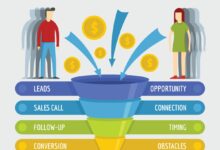
- Leads are the starting point of the sales funnel.
- They are not yet customers but are candidates for conversion.
- Leads can come from various sources: social media, ads, referrals, or events.
“A lead is not a sale, but it’s the first whisper of a potential relationship.”
Why Understanding Leads Meaning Is Crucial for Business Growth
Without leads, there are no customers. Without customers, there is no revenue. Understanding the leads meaning helps businesses design better marketing strategies, allocate budgets efficiently, and improve conversion rates. It’s the foundation of any successful sales operation.
- Clear understanding of leads improves targeting accuracy.
- It enables segmentation and personalized communication.
- It helps measure marketing ROI effectively.
The Evolution of Leads in the Digital Age
The concept of a lead has evolved dramatically with the rise of digital technology. In the past, leads were often generated through cold calls or trade shows. Today, digital platforms dominate lead generation, making the process faster, more scalable, and data-driven.
From Cold Calls to Clicks: How Lead Generation Has Changed
In the 1980s and 1990s, sales teams relied heavily on cold calling and direct mail to generate leads. These methods were time-consuming and often yielded low response rates. With the internet boom, businesses began using websites, email campaigns, and online ads to attract leads.
- Cold calling still exists but is less dominant.
- Email marketing became a key tool in the 2000s.
- Social media platforms like LinkedIn and Facebook now drive massive lead volumes.
“The digital shift didn’t just change how we generate leads—it changed who we can reach.”
The Role of Automation and AI in Modern Lead Generation
Today, artificial intelligence and marketing automation tools are revolutionizing how businesses understand and act on leads meaning. Platforms like HubSpot, Salesforce, and Marketo use AI to score leads, predict behavior, and automate follow-ups.
- AI-powered chatbots capture leads 24/7.
- Lead scoring systems prioritize high-intent prospects.
- CRM integrations ensure seamless handoff from marketing to sales.
For deeper insights, check out HubSpot’s guide on leads, which explains how automation enhances lead management.
Types of Leads: Understanding the Different Categories
Not all leads are created equal. The leads meaning varies depending on the stage of the buyer’s journey, the quality of information provided, and the level of engagement. Recognizing these differences is essential for effective lead nurturing.
Marketing Qualified Leads (MQLs)
Marketing Qualified Leads (MQLs) are individuals who have engaged with your marketing content and meet specific criteria set by your marketing team. For example, someone who downloads an eBook or attends a webinar might be classified as an MQL.
- MQLs show interest but may not be ready to buy.
- They require further nurturing through email sequences or retargeting ads.
- Criteria for MQLs vary by industry and business model.
“An MQL is a signal—not a commitment.”
Sales Qualified Leads (SQLs)
Sales Qualified Leads (SQLs) are MQLs who have been vetted by the sales team and deemed ready for direct outreach. These leads have expressed a clear intent to purchase, such as requesting a demo or pricing information.
- SQLs are closer to making a buying decision.
- They are typically handed off from marketing to sales.
- Conversion rates for SQLs are significantly higher than for MQLs.
Learn more about the MQL vs SQL distinction at Salesforce’s resource page.
Product Qualified Leads (PQLs)
Product Qualified Leads (PQLs) are users who have experienced your product—often through a free trial or freemium model—and shown behaviors indicating they’re ready to upgrade. This is common in SaaS (Software as a Service) companies.
- PQLs have already used the product, reducing friction in the sales process.
- Behavioral data (e.g., feature usage, login frequency) determines PQL status.
- PQLs often convert faster than traditional leads.
How Leads Are Generated: Top Strategies and Channels
Understanding the leads meaning is only half the battle. The other half is knowing how to generate them effectively. Businesses use a mix of inbound and outbound strategies to attract and capture leads.
Inbound Lead Generation: Attracting Leads Naturally
Inbound lead generation focuses on creating valuable content and experiences that naturally draw prospects to your business. This includes blog posts, SEO, social media, and webinars.
- Content marketing builds trust and authority.
- SEO helps your website rank for keywords related to leads meaning.
- Landing pages with lead capture forms convert visitors into leads.
“Inbound leads are earned, not taken.”
A great example is Moz’s Beginner’s Guide to SEO, which has generated thousands of leads by offering high-value content in exchange for email signups. Explore their approach at Moz.com.
Outbound Lead Generation: Proactively Reaching Out
Outbound lead generation involves actively reaching out to potential customers through cold emails, calls, or ads. While often seen as more aggressive, it can be highly effective when done right.
- Cold email campaigns can yield high ROI if personalized.
- LinkedIn outreach is popular for B2B lead generation.
- Paid advertising (Google Ads, Facebook Ads) drives immediate lead volume.
However, outbound methods require careful targeting to avoid being perceived as spam. Tools like Hunter.io help find verified email addresses for outreach.
leads meaning – Leads meaning menjadi aspek penting yang dibahas di sini.
Lead Magnets: The Secret Weapon for Conversion
A lead magnet is a free resource offered in exchange for contact information. It’s one of the most effective tools for converting website visitors into leads.
- E-books, checklists, templates, and webinars are popular lead magnets.
- The value of the magnet should match the requested information.
- Strong calls-to-action (CTAs) increase conversion rates.
For instance, a financial advisor might offer a free retirement planning checklist to capture leads interested in long-term investing.
Measuring Lead Quality: Beyond Quantity
While generating a high volume of leads is important, lead quality is what ultimately drives revenue. Understanding the true leads meaning involves evaluating not just how many leads you get, but how likely they are to convert.
Lead Scoring: Prioritizing the Right Prospects
Lead scoring is a methodology used to rank leads based on their perceived value. Points are assigned for demographic fit, engagement level, and behavioral signals.
- Demographic data: job title, company size, industry.
- Behavioral data: page visits, email opens, content downloads.
- Negative scoring removes points for inactivity or irrelevant behavior.
“Not all leads are equal—scoring helps you focus on the ones that matter.”
Companies like Marketo and Pardot offer built-in lead scoring features that integrate with CRM systems.
Conversion Rates and Lead-to-Customer Journey
The conversion rate measures how many leads become paying customers. This metric is critical for assessing the effectiveness of your lead generation and nurturing strategies.
- Average B2B conversion rate is around 5-10%, according to Cleverly.
- Shorter sales cycles often correlate with higher conversion rates.
- Follow-up timing significantly impacts conversion success.
Research shows that leads contacted within 5 minutes are 21x more likely to convert.
Common Mistakes in Lead Evaluation
Many businesses fail to convert leads simply because they misjudge quality. Common pitfalls include:
- Focusing only on quantity, not quality.
- Not aligning sales and marketing on lead definitions.
- Ignoring lead source performance and channel ROI.
Regular audits of lead data and conversion funnels can help avoid these mistakes.
Leads Meaning in Different Industries: A Comparative Look
The interpretation of leads meaning can vary significantly across industries. What constitutes a qualified lead in real estate may differ from what’s considered a lead in SaaS or e-commerce.
Leads in B2B vs B2C Markets
In B2B (Business-to-Business) markets, leads often involve longer sales cycles and multiple decision-makers. A lead might be a company representative who requests a product demo.
- B2B leads require detailed nurturing and relationship-building.
- Lead qualification is more complex due to organizational structures.
- CRM systems are essential for tracking B2B lead progress.
In contrast, B2C (Business-to-Consumer) leads are often individual consumers who show interest through purchases, sign-ups, or ad clicks.
- B2C leads may convert faster.
- Emotional appeal and urgency drive B2C lead conversion.
- Volume is often prioritized over deep qualification.
“B2B sells to logic; B2C sells to emotion—leads reflect that difference.”
Industry-Specific Examples of Lead Interpretation
In real estate, a lead might be someone who inquires about a property listing. In healthcare, it could be a patient filling out a consultation form. In education, a lead might be a student downloading a course syllabus.
- Real estate: Leads from Zillow or Realtor.com inquiries.
- Healthcare: Leads from online symptom checkers or telehealth sign-ups.
- Education: Leads from free webinar registrations or scholarship applications.
Each industry tailors its lead capture and follow-up strategies to fit customer behavior and regulatory requirements.
The Impact of Niche Markets on Lead Definition
In niche markets, such as luxury goods or specialized consulting, the definition of a lead becomes even more refined. These markets often require higher levels of qualification due to the high value of each sale.
- Niche leads are fewer but more valuable.
- Personalization is critical in communication.
- Trust and credibility play a larger role in conversion.
For example, a high-end financial planner may only consider leads who meet minimum asset thresholds.
Future Trends in Lead Generation and Meaning
As technology and consumer behavior evolve, so does the leads meaning. Staying ahead of trends ensures your business remains competitive in capturing and converting leads.
The Rise of Zero-Party Data
Zero-party data is information that customers intentionally and proactively share with brands, such as preferences, purchase intentions, or personal context. Unlike third-party data, it’s given willingly, making it highly reliable.
leads meaning – Leads meaning menjadi aspek penting yang dibahas di sini.
- Increases trust and transparency with consumers.
- Enables hyper-personalized marketing.
- Complies better with privacy regulations like GDPR.
“The future of leads isn’t about guessing—it’s about being told.”
Brands like Sephora use quizzes to collect zero-party data, turning interactions into qualified leads.
AI-Powered Predictive Lead Scoring
Future lead scoring will rely heavily on AI to predict which leads are most likely to convert based on vast datasets and machine learning models.
- AI analyzes historical conversion patterns.
- Real-time adjustments improve accuracy.
- Reduces manual effort in lead prioritization.
Platforms like Salesforce Einstein are already implementing predictive analytics for lead management.
Privacy-First Lead Generation
With increasing data privacy laws and browser restrictions (e.g., third-party cookie deprecation), businesses must adapt to privacy-first lead generation strategies.
- Focus on first-party data collection.
- Use consent-based marketing practices.
- Build trust through transparency and value exchange.
Google’s Privacy Sandbox initiative is reshaping how digital ads and leads are tracked online.
What is the basic leads meaning?
The basic leads meaning refers to individuals or organizations that have shown interest in a product or service and provided contact information, making them potential customers for further engagement.
What’s the difference between an MQL and an SQL?
A Marketing Qualified Lead (MQL) has engaged with marketing content and meets initial criteria, while a Sales Qualified Lead (SQL) has been vetted by the sales team and is ready for direct outreach and conversion.
How can I generate high-quality leads?
You can generate high-quality leads by creating valuable content, using lead magnets, optimizing landing pages, leveraging SEO, and implementing lead scoring to prioritize the most promising prospects.
Why is lead quality more important than quantity?
Lead quality is more important because high-quality leads are more likely to convert into paying customers, resulting in better ROI, lower acquisition costs, and more efficient use of sales resources.
How is AI changing the leads meaning today?
AI is transforming leads meaning by enabling predictive scoring, automating follow-ups, personalizing outreach, and analyzing behavior at scale, making lead generation more efficient and accurate.
Understanding the true leads meaning is essential for any business aiming to grow sustainably. From defining what a lead is to mastering generation strategies and evaluating quality, this knowledge forms the backbone of effective sales and marketing. As technology evolves, so too will the ways we identify, engage, and convert leads—making continuous learning and adaptation crucial for long-term success.
leads meaning – Leads meaning menjadi aspek penting yang dibahas di sini.
Further Reading:
