In today’s hyper-competitive digital landscape, generating high-quality leads is the lifeblood of any successful business. Whether you’re running a startup or scaling an enterprise, mastering the art of lead generation can be your ultimate game-changer.
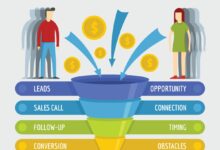


What Are Leads and Why They Matter

At the heart of every sales funnel lies a simple yet powerful concept: leads. A lead is any individual or organization that has shown interest in your product or service. This interest could come from filling out a form, subscribing to a newsletter, downloading a guide, or engaging with your content online.
The Definition of a Lead
In marketing terms, a lead is a potential customer who has provided contact information and demonstrated some level of interest in what you offer. This makes them more than just a casual visitor—they are a qualified prospect ready for nurturing.
- Leads can be generated through various channels like social media, email campaigns, or paid ads.
- They are often categorized based on their readiness to buy (e.g., cold, warm, hot leads).
- The quality of a lead is determined by how closely they match your ideal customer profile.
Why Leads Are the Foundation of Sales Success
Without leads, there are no conversions, no revenue, and ultimately, no growth. Leads fuel your sales pipeline and allow your team to focus on turning interest into income. According to HubSpot, companies that prioritize lead generation see up to 133% higher revenue growth than those that don’t.
“Leads are not just names on a list—they are conversations waiting to happen.”
Types of Leads: From Cold to Hot
Not all leads are created equal. Understanding the different types helps you tailor your approach and increase conversion rates significantly.
Cold Leads
Cold leads are individuals who have had little to no interaction with your brand. They may have visited your website once or signed up for a general newsletter but haven’t engaged deeply.
- Typically require long nurturing cycles.
- Best approached with educational content and soft CTAs.
- Conversion rates are low initially but can improve over time with consistent follow-up.
Warm Leads
Warm leads have interacted with your brand multiple times—perhaps downloaded a whitepaper, attended a webinar, or added items to a cart without purchasing.
- They are familiar with your brand and offerings.
- More receptive to direct communication and offers.
- Higher likelihood of converting compared to cold leads.
Hot Leads
Hot leads are ready to buy. They’ve shown strong intent—requesting a demo, contacting sales, or asking for pricing details.
- Require immediate attention and personalized outreach.
- Should be prioritized in your CRM workflow.
- Often convert within days if handled correctly.
How to Generate High-Quality Leads
Generating leads isn’t just about volume—it’s about attracting the right people. Quality trumps quantity every time. Here’s how to build a sustainable lead generation engine.
Create Irresistible Lead Magnets
A lead magnet is a free resource offered in exchange for contact information. It must solve a real problem for your audience.
- E-books, checklists, templates, and free trials are proven lead magnets.
- Ensure your offer aligns with your audience’s pain points.
- Use tools like Canva to design visually appealing assets.
Optimize Landing Pages for Conversion
Your landing page is where the magic happens. A poorly designed page can kill even the best traffic campaign.
- Keep headlines clear and benefit-driven.
- Minimize form fields to reduce friction.
- Include social proof like testimonials or trust badges.
Leverage SEO to Attract Organic Leads
Search engine optimization (SEO) brings in leads who are actively searching for solutions you provide.
- Target long-tail keywords related to your niche.
- Write comprehensive, value-packed blog posts that answer user queries.
- Internal linking and technical SEO boost visibility and credibility.
Top Digital Channels for Lead Generation
The digital world offers countless avenues to capture leads. Choosing the right mix depends on your audience, budget, and goals.
Social Media Marketing
Platforms like LinkedIn, Facebook, and Instagram are goldmines for lead generation when used strategically.
- LinkedIn is ideal for B2B lead generation with its professional network.
- Facebook Lead Ads allow users to submit info without leaving the platform.
- Instagram Stories and Reels can drive traffic to lead capture pages.
Email Marketing Campaigns
Email remains one of the highest ROI channels for nurturing and converting leads.
- Segment your list based on behavior and preferences.
- Use automation tools like Mailchimp or ActiveCampaign to send targeted sequences.
- Focus on delivering value before pitching your product.
Paid Advertising (PPC & Retargeting)
Pay-per-click (PPC) campaigns on Google Ads and retargeting ads on social platforms can accelerate lead acquisition.
- Target high-intent keywords to capture ready-to-buy leads.
- Use retargeting to re-engage visitors who didn’t convert.
- Track conversion rates and cost per lead to optimize ROI.
Lead Nurturing: Turning Interest into Action
Most leads won’t convert on the first touch. Lead nurturing is the process of building relationships over time through consistent, relevant communication.
The Role of Drip Campaigns
Drip campaigns are automated email sequences that deliver content based on user behavior or time intervals.
- Introduce your brand gradually without overwhelming the lead.
- Provide educational content, case studies, and success stories.
- Include strategic CTAs that guide leads toward a purchase decision.
Personalization and Behavioral Triggers
Personalized messages based on user actions increase engagement and trust.
- Send a follow-up email if a lead downloads a pricing guide.
- Trigger a discount offer if a user abandons their cart.
- Use dynamic content in emails to reflect the lead’s industry or role.
Using CRM to Manage Lead Journeys
A Customer Relationship Management (CRM) system like Salesforce or HubSpot CRM helps track every interaction with a lead.
- Score leads based on engagement and fit.
- Assign leads to sales reps automatically.
- Monitor the entire customer journey from first touch to close.
Measuring Lead Quality and Conversion Rates
Generating leads is only half the battle. The real challenge lies in converting them into paying customers.
Key Metrics to Track
To evaluate your lead generation efforts, focus on these critical KPIs:
- Conversion Rate: Percentage of leads that become customers.
- Cost Per Lead (CPL): How much you spend to acquire one lead.
- Lead-to-Customer Ratio: How many leads it takes to close one sale.
- Lead Velocity Rate (LVR): Month-over-month growth in qualified leads.
Lead Scoring Models
Lead scoring assigns values to leads based on demographic and behavioral data.
- High scores indicate sales-ready leads.
- Low scores need further nurturing.
- Scoring models improve alignment between marketing and sales teams.
A/B Testing for Optimization
Continuous improvement comes from testing. A/B testing allows you to compare two versions of a campaign to see which performs better.
- Test subject lines, CTAs, landing page layouts, and ad copy.
- Use tools like Google Optimize or Optimizely for structured experiments.
- Implement winning variations to boost lead quality and conversion.
Common Mistakes in Lead Generation (And How to Avoid Them)
Even experienced marketers fall into traps that undermine their lead generation success.
Chasing Quantity Over Quality
It’s tempting to celebrate high lead numbers, but if they don’t convert, they’re just noise.
- Focus on attracting your ideal customer profile.
- Use qualifying questions in forms to filter unqualified leads.
- Align marketing messaging with actual product capabilities.
Ignoring Lead Follow-Up
Research shows that 50% of leads are qualified but not followed up promptly.
- Respond to inquiries within 5 minutes for maximum conversion.
- Automate initial responses using chatbots or email triggers.
- Train your sales team on timely engagement protocols.
Poor Alignment Between Sales and Marketing
When sales and marketing teams work in silos, leads fall through the cracks.
- Establish shared goals and KPIs.
- Hold regular sync meetings to review lead performance.
- Use a unified CRM platform for transparency.
Future Trends in Lead Generation
The way we generate and manage leads is evolving rapidly due to technological advancements and changing consumer behavior.
AI-Powered Lead Generation
Artificial intelligence is transforming how businesses identify and engage leads.
- AI chatbots qualify leads 24/7 on websites.
- Predictive analytics forecast which leads are most likely to convert.
- Tools like Drift use AI to personalize conversations in real-time.
Hyper-Personalization at Scale
Consumers expect personalized experiences. Generic messaging no longer cuts it.
- Use data to tailor content, offers, and timing.
- Leverage dynamic landing pages that adapt to visitor profiles.
- Implement AI-driven recommendation engines.
Voice Search and Conversational Marketing
With the rise of smart speakers and voice assistants, optimizing for voice search is becoming crucial.
- Optimize content for natural language queries.
- Develop FAQ pages that answer voice-based questions.
- Integrate conversational AI into your customer journey.
What is a lead in marketing?
A lead in marketing is a person or organization that has expressed interest in your product or service by providing their contact information, often through a form, download, or sign-up. They are considered potential customers who can be nurtured into paying clients.
How do you generate high-quality leads?
High-quality leads are generated by targeting the right audience with valuable content, using optimized landing pages, leveraging SEO and paid ads, and nurturing prospects through personalized email campaigns and CRM workflows.
What’s the difference between a cold and hot lead?
A cold lead has minimal interaction with your brand and requires nurturing, while a hot lead has shown strong buying intent—such as requesting a demo or pricing—and is ready for immediate sales follow-up.
Why is lead nurturing important?
Lead nurturing builds trust and keeps your brand top-of-mind. Most buyers aren’t ready to purchase immediately; consistent, value-driven communication increases the chances of conversion over time.
What tools can help manage leads effectively?
CRM platforms like HubSpot, Salesforce, and Zoho CRM help track, score, and manage leads. Marketing automation tools like Mailchimp, ActiveCampaign, and Marketo streamline nurturing and campaign execution.
Leads are the cornerstone of sustainable business growth. From understanding the different types—cold, warm, and hot—to mastering digital channels and nurturing strategies, every aspect of lead generation demands precision and consistency. By focusing on quality over quantity, leveraging data-driven tools, and aligning sales and marketing efforts, businesses can build a robust pipeline that drives long-term success. As technology evolves, embracing AI, personalization, and conversational marketing will be key to staying ahead. The future of leads isn’t just about capturing names—it’s about building meaningful relationships that convert.
Further Reading:
