Leeds FC isn’t just a football club—it’s a story of passion, glory, and resilience. From its humble beginnings to Premier League battles, the club has carved a legacy that echoes across English football.
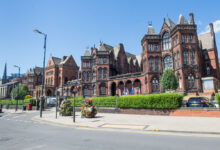
Leeds FC: A Historical Journey Through Time

Founded in 1919, Leeds FC emerged from the ashes of Leeds City, a club expelled due to financial misconduct. The Football League granted the city a new franchise, and thus, Leeds United Athletic Club—now universally known as Leeds FC—was born. Over the past century, the club has evolved into one of England’s most iconic football institutions.
The Founding Years and Early Struggles
In its early decades, Leeds FC struggled to find its footing. The club spent much of the 1920s and 1930s in the Second Division, failing to make a significant impact in the top flight. Despite flashes of promise, consistent success remained elusive.
- Leeds FC joined the Football League Second Division in 1920.
- The club achieved promotion to the First Division in 1924 but was relegated just two seasons later.
- Financial instability and managerial changes plagued the early years.
“Leeds FC in the 1920s was a club searching for identity—talented but inconsistent.” — Football historian James Walsh.
Rise to Prominence Under Don Revie
The turning point in Leeds FC’s history came in 1961 with the appointment of Don Revie as manager. Revie transformed the club from underachievers into dominant forces in English and European football. His tactical discipline, emphasis on fitness, and man-management skills laid the foundation for a golden era.
- Revie led Leeds FC to their first major trophy, the League Cup, in 1968.
- The club won the First Division title in 1969, marking their first league championship.
- Under Revie, Leeds FC became known for their aggressive, physical style—dubbed “Dirty Leeds” by critics.
This era saw the rise of legendary players like Billy Bremner, Johnny Giles, and Jack Charlton, who became symbols of the club’s fighting spirit. Revie’s Leeds FC reached two European Cup finals (1975 and 1976), though they lost both, cementing a reputation as nearly men on the continental stage.
Leeds FC’s Golden Era: Triumphs and Controversies
The late 1960s and 1970s marked the peak of Leeds FC’s success. During this period, the club won multiple domestic and international honors, establishing themselves as one of Europe’s elite teams. However, their aggressive playing style also attracted criticism and controversy.
Domestic Dominance in the 1970s
Leeds FC’s trophy cabinet swelled during this golden age. Between 1968 and 1974, the club won:
- Two First Division titles (1968–69, 1973–74)
- One FA Cup (1972)
- Two League Cups (1968, 1970)
- One Inter-Cities Fairs Cup (1968, 1971)
The 1973–74 title win was particularly significant, as it came after a grueling season where Leeds FC edged out Liverpool by a single point. Their consistency, defensive solidity, and ability to grind out results defined their dominance.
European Adventures and the 1975 European Cup Final
Leeds FC’s most memorable European campaign culminated in the 1975 European Cup Final against Bayern Munich at Parc des Princes in Paris. The match remains one of the most controversial in football history.
- Leeds FC were leading 1-0 through a goal by Peter Lorimer.
- Two Bayern goals turned the game, but Leeds players claimed both were offside.
- After the final whistle, fans invaded the pitch, leading to a UEFA ban on English clubs from European competition for a year.
“The 1975 final wasn’t just a loss—it was a betrayal of justice.” — Former Leeds FC captain Billy Bremner.
Despite the heartbreak, reaching the final was a testament to Leeds FC’s quality. The club had beaten giants like AC Milan and FC Basel en route, showcasing their tactical maturity and resilience.
Leeds FC’s Decline and Rebuilding Years
After Don Revie’s departure in 1974 to manage the England national team, Leeds FC entered a period of decline. The club struggled to maintain its elite status, suffering managerial instability and a loss of key players.
The Post-Revie Collapse
Revie’s successor, Brian Clough, lasted only 44 days—a record for futility in English football management. Clough’s abrasive style clashed with the existing squad, leading to a swift dismissal.
- Clough famously tried to ban alcohol and change training methods, alienating the players.
- Leeds FC finished 9th in 1974–75, a steep drop from their title-winning season.
- By 1982, the club was relegated to the Second Division for the first time in 16 years.
The 1980s were marked by financial troubles, fan unrest, and a lack of clear direction. Leeds FC became a shadow of its former self, struggling to attract top talent or coherent leadership.
Revival Under Howard Wilkinson
The turning point came in 1988 with the appointment of Howard Wilkinson. A disciplined and tactically astute manager, Wilkinson rebuilt the squad with a mix of youth and experience. His emphasis on long-term planning and player development paid off.
- Wilkinson signed key players like Gordon Strachan and Lee Chapman.
- Leeds FC won the Second Division title in 1989–90, securing promotion.
- In 1991–92, the club clinched the First Division title—the last before the Premier League era.
This championship was a monumental achievement, ending a 18-year wait for a league title. Wilkinson’s Leeds FC played attractive, attacking football, a stark contrast to the Revie-era physicality.
Leeds FC in the Premier League Era: From Glory to Relegation
The dawn of the Premier League in 1992 brought new challenges and opportunities. Leeds FC, as defending champions, were expected to be title contenders. However, financial mismanagement and squad turnover led to a dramatic fall from grace.
Early Premier League Success and European Nights
In the early 1990s, Leeds FC remained competitive. Under managers like George Graham and David O’Leary, the club enjoyed strong finishes and deep runs in European competitions.
- Leeds FC reached the UEFA Champions League semi-finals in 2001, defeating AC Milan and Lazio.
- Players like Harry Kewell, Mark Viduka, and Alan Smith became fan favorites.
- The club finished 4th in the Premier League in 2000 and 2001.
These years were marked by exciting football and a vibrant Elland Road atmosphere. The Champions League campaign of 2000–01 remains one of the most thrilling in the club’s modern history.
Financial Crisis and Relegation to the Championship
Despite on-pitch success, Leeds FC was hemorrhaging money. The club spent heavily on transfers and wages, betting on continued European qualification to sustain finances. When results dipped, the house of cards collapsed.
- Leeds FC entered administration in 2007, resulting in a 10-point deduction.
- The club was relegated from the Premier League in 2004 after a decade at the top.
- By 2007, Leeds FC had dropped to League One—the third tier—for the first time in its history.
“We were living beyond our means. The dream became a nightmare.” — Former Leeds FC executive Ken Bates.
The fall was swift and painful. Fans who had cheered in European stadiums now faced the reality of lower-league football and financial uncertainty.
Leeds FC’s Championship Years and Promotion to the Premier League
After years in the wilderness, Leeds FC began a slow climb back. The appointment of Marcelo Bielsa in 2018 marked a turning point, reigniting hope and passion among the fanbase.
Marcelo Bielsa’s Revolutionary Impact
Bielsa, the Argentine tactician known for his high-pressing, intense style, transformed Leeds FC’s identity. He instilled a culture of discipline, fitness, and attacking football that captivated fans and pundits alike.
- Bielsa led Leeds FC to promotion in 2020 after a 16-year absence from the Premier League.
- The team scored 77 goals in the 2019–20 Championship season, the most in the league.
- His training methods and man-management earned cult status among supporters.
Bielsa’s Leeds FC became known for their relentless pressing and tactical intelligence. Matches against rivals like Derby County and West Brom became must-watch events.
The 2019–20 Championship Triumph
The 2019–20 season was historic. After a slow start, Leeds FC surged in the second half, finishing first in the Championship with 93 points. Key players like Pablo Hernández, Kalvin Phillips, and Patrick Bamford were instrumental.
- Leeds FC secured promotion with a 4–0 win over Charlton Athletic in July 2020.
- The club went unbeaten in their final 11 league games.
- Bielsa was named Championship Manager of the Year.
The promotion was celebrated across Leeds, with fans gathering (despite pandemic restrictions) to honor the team. It was a redemption story for a club that had endured so much.
Leeds FC in the Modern Era: Challenges and Ambitions
Returning to the Premier League was just the beginning. Leeds FC now faces the challenge of establishing itself as a sustainable top-flight club in an era of financial fair play and global competition.
Struggles in the Premier League Post-Promotion
After promotion, Leeds FC struggled to adapt to the pace and physicality of the Premier League. While Bielsa’s style was admired, it often left the team vulnerable defensively.
- Leeds FC finished 9th in 2020–21, a respectable debut season.
- The club was relegated in 2023 after a turbulent campaign under Jesse Marsch and later, Javi Gracia.
- Injuries, poor recruitment, and tactical inflexibility contributed to the downfall.
The 2022–23 season was particularly difficult, with Leeds FC winning only five games. Despite moments of brilliance, consistency was lacking.
Future Outlook and Ownership Vision
Under the ownership of 49ers Enterprises, Leeds FC is focused on long-term stability. The club is investing in youth development, infrastructure, and data-driven recruitment.
- A new training complex at Thorp Arch is being expanded.
- The academy has produced talents like Sam Greenwood and Crysencio Summerville.
- The club aims to return to the Premier League and compete sustainably.
The vision is clear: build a modern, competitive Leeds FC that honors its past while embracing innovation.
Leeds FC’s Rivalries and Cultural Impact
Leeds FC’s identity is shaped not just by trophies, but by its fierce rivalries and deep cultural roots in Yorkshire.
The Yorkshire Derby: Leeds FC vs. Sheffield United
The rivalry with Sheffield United is one of English football’s most heated. Known as the Yorkshire Derby, it’s fueled by regional pride and historical clashes.
- The two clubs have met over 130 times in all competitions.
- Matches are often physical and emotionally charged.
- The rivalry intensified during the 1960s and 1970s under Don Revie and later managers.
Fans from both sides view this fixture as a matter of local supremacy.
Leeds FC and the City of Leeds
Leeds FC is more than a football club—it’s a symbol of the city. Elland Road is a fortress of passion, and matchdays transform the city into a sea of white.
- The club has over 50,000 season ticket holders on its waiting list.
- Leeds FC’s community programs support education, health, and inclusion.
- The club’s anthem, “Marching On Together,” is a unifying force for fans.
“When Leeds FC wins, the whole city breathes easier.” — Longtime supporter Margaret Ellis.
Leeds FC’s Legendary Players and Managers
No discussion of Leeds FC is complete without honoring the icons who shaped its legacy.
Iconic Players Who Wore the White Shirt
From Billy Bremner to Lucas Radebe, Leeds FC has been home to footballing legends.
- Billy Bremner: Captain of the Revie era, known for his leadership and tenacity.
- Jack Charlton: World Cup winner and defensive rock.
- Lucas Radebe: Beloved captain in the 1990s, symbol of unity and resilience.
- Mark Viduka: Powerful striker who terrorized Premier League defenses.
- Kalvin Phillips: Modern-day hero, dubbed “The Yorkshire Pirlo.”
These players are immortalized in the club’s history and celebrated by generations of fans.
Managers Who Shaped Leeds FC’s Destiny
Leeds FC’s success has always been tied to visionary managers.
- Don Revie: Architect of the golden era.
- Howard Wilkinson: Ended the title drought in 1992.
- Marcelo Bielsa: Revived the club’s spirit and led promotion.
- Gary McAllister: Key figure in the 2006 playoff campaign.
Each brought a unique philosophy, but all shared a commitment to excellence.
What is the history of Leeds FC?
Leeds FC was founded in 1919 as Leeds United Athletic Club. The club rose to prominence under Don Revie in the 1960s and 1970s, winning multiple league titles and domestic cups. After a period of decline, Leeds FC returned to the Premier League in 2020 under Marcelo Bielsa, marking a new chapter in its storied history.
When did Leeds FC last win the league title?
Leeds FC last won the English top-flight league title in the 1991–92 season, under manager Howard Wilkinson. This was the final season of the old First Division before the formation of the Premier League.
Why was Leeds FC relegated from the Premier League?
Leeds FC was relegated from the Premier League in 2023 due to a combination of poor form, defensive vulnerabilities, managerial changes, and inadequate squad depth. Despite moments of promise, the team struggled for consistency throughout the season.
Who owns Leeds FC?
Leeds FC is owned by 49ers Enterprises, the investment arm of the NFL’s San Francisco 49ers. The group acquired a majority stake in 2018 and has focused on stabilizing the club financially and operationally.
What is Leeds FC’s home stadium?
Leeds FC plays its home matches at Elland Road, a stadium with a capacity of over 37,000. Located in Leeds, West Yorkshire, Elland Road has been the club’s home since 1919 and is known for its electric atmosphere.
Leeds FC’s journey is one of triumph, tragedy, and relentless hope. From the glory days of Don Revie to the modern revival under Bielsa, the club has remained a symbol of resilience. Though challenges remain, the passion of the fans and the legacy of the past continue to drive Leeds FC forward. As the club aims for a return to the Premier League, one thing is certain: the story of Leeds FC is far from over.
Further Reading:
