Leeds United isn’t just a football club—it’s a legacy etched in passion, grit, and unforgettable moments. From glory days to fierce comebacks, this is the story of a team that refuses to back down.
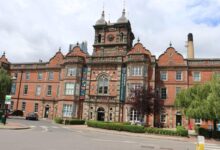
Leeds United’s Glorious History and Legacy

Founded in 1919, Leeds United has carved a permanent place in English football history. Their journey is a rollercoaster of triumphs, heartbreaks, and relentless determination. Over the decades, the club has become synonymous with resilience, innovation, and a unique footballing identity that blends discipline with flair.
The Founding and Early Years
Leeds United was born out of necessity. After the dissolution of Leeds City in 1919 due to financial irregularities during World War I, the Football League needed a new club to represent the city. Thus, Leeds United Football Club was officially formed on October 17, 1919. The club quickly gained momentum, joining the Football League Second Division in 1920.
- Leeds United’s first manager was Herbert Chapman, who later became a legendary figure in English football.
- The club earned promotion to the First Division in 1924, marking their arrival on the top stage.
- Despite early promise, the 1920s and 1930s were marked by inconsistency, with frequent relegations and promotions.
These early years laid the foundation for a club that would eventually rise to dominance. The struggles taught Leeds United the value of perseverance—a trait that would define their future.
The Don Revie Era: A Golden Age
The true transformation of Leeds United began in 1961 when Don Revie took over as manager. What followed was one of the most dominant periods in the club’s history. Revie instilled a disciplined, hard-working ethos, turning Leeds into a powerhouse of English football.
- Under Revie, Leeds won two First Division titles (1968–69, 1973–74).
- The club claimed the FA Cup in 1972, their first major trophy in the Revie era.
- They also won the League Cup in 1968 and the Inter-Cities Fairs Cup twice (1968, 1971).
“We were not just a team; we were a family with a mission.” — Don Revie
Revie’s Leeds United were known for their physicality, tactical intelligence, and relentless pressing—qualities that made them both feared and respected. However, their aggressive style also earned them the nickname “Dirty Leeds” from rival fans, a label that stuck despite their undeniable success.
Leeds United’s Rivalries and Fan Culture
No discussion of Leeds United is complete without acknowledging their fierce rivalries and passionate fan base. The club’s identity is deeply intertwined with its supporters, whose loyalty has never wavered—even in the darkest times.
Manchester United and the North vs. North Rivalry
One of the most intense rivalries in English football is between Leeds United and Manchester United. Though not geographically close, the rivalry intensified during the 1960s and 1970s when both clubs were dominant forces under Don Revie and Matt Busby, respectively.
- The rivalry is fueled by historical competition for league titles and European spots.
- Fans often refer to it as the “Roses Derby,” referencing the historic conflict between Yorkshire and Lancashire.
- Matches between the two are known for high tension, passionate chants, and sometimes on-field confrontations.
Despite periods of separation—especially when Leeds dropped to lower divisions—the rivalry reignited when Leeds returned to the Premier League in 2020. The fixture remains a marquee event in the football calendar.
Derby County and the East Midlands Feud
Another historic rivalry is with Derby County. While not as nationally prominent as the Manchester United clash, the Leeds-Derby rivalry is deeply rooted in competitive encounters, especially during the 1970s.
- The rivalry peaked during the 1972 FA Cup semi-final, which Leeds won 2–1 in controversial circumstances.
- Derby fans accuse Leeds of unsportsmanlike conduct, while Leeds supporters see it as a testament to their fighting spirit.
- The fixture has seen multiple pitch invasions, fan clashes, and heated media debates over the years.
This rivalry, though less active in recent years due to league divisions, remains a symbol of Leeds United’s combative past.
Leeds United’s Iconic Players and Legends
Leeds United has been home to some of the most iconic players in English football history. These legends not only defined eras but also became symbols of the club’s fighting spirit and technical brilliance.
Billy Bremner: The Heart of Leeds
Billy Bremner, the diminutive but fearless midfielder, was the embodiment of Leeds United’s ethos during the Revie era. Standing at just 5’4”, Bremner played with unmatched intensity and leadership.
- He captained Leeds to multiple league titles and cup victories.
- Bremner earned 54 caps for Scotland and was known for his tireless work rate.
- After retiring, he managed Leeds United in the 1980s, though with limited success.
“If you can’t beat them, disturb them.” — Billy Bremner
Bremner’s legacy lives on at Elland Road, where his statue stands as a tribute to his contribution. He remains the spiritual leader of the club, a symbol of never giving up.
Lucas Radebe: The Chief
Lucas Radebe, affectionately known as “The Chief,” joined Leeds in 1994 from South Africa’s Kaizer Chiefs. Initially signed as part of a deal to bring Phil Masinga, Radebe quickly became a fan favorite and club legend.
- He made over 250 appearances for Leeds between 1994 and 2005.
- Radebe captained the team during their UEFA Champions League run in 2000–01.
- Nelson Mandela once said, “This is my hero,” referring to Radebe’s influence both on and off the pitch.
Radebe’s leadership, composure, and commitment made him a symbol of unity and resilience. He remains one of the most beloved figures in Leeds United history.
Leeds United’s Stadium: Elland Road
Elland Road is more than just a stadium—it’s the beating heart of Leeds United. Located in the Beeston area of Leeds, the ground has been the club’s home since 1919.
History and Architecture
Elland Road began as a modest ground but has evolved into a modern football stadium with a capacity of over 37,000. Its four stands—the East Stand, West Stand, South Stand, and North Stand—each have their own character and history.
- The stadium hosted matches during the 1966 FIFA World Cup, including games featuring the Soviet Union and Italy.
- It has undergone multiple renovations, especially during the 1990s, to meet modern safety and comfort standards.
- The South Stand, also known as the ‘Kop,’ is the traditional home of the most vocal supporters.
Elland Road’s atmosphere is legendary. On match days, the roar of the crowd creates an intimidating environment for visiting teams.
The Atmosphere and Matchday Experience
Attending a match at Elland Road is a sensory experience. From the pre-match chants of “Marching On Together” to the thunderous applause after a goal, the energy is electric.
- Fans often arrive hours early to soak in the atmosphere at nearby pubs and fan zones.
- The club has invested in fan engagement, including interactive displays and heritage tours.
- Special events like retro kits and legends’ reunions keep the history alive.
Elland Road isn’t just a venue—it’s a temple of football where past and present collide in glorious harmony.
Leeds United’s Promotions and Relegations
Leeds United’s history is marked by dramatic rises and painful falls. Their journey through the English football pyramid reflects the volatility and passion of the sport.
The 1990s: Premier League Pioneers
Leeds United was a founding member of the Premier League in 1992. Under Howard Wilkinson, they won the last First Division title in 1991–92, just before the league’s rebranding.
- Wilkinson became the last English manager to win the top-flight title until 2020.
- The early Premier League years saw Leeds compete in Europe and challenge for honors.
- However, financial mismanagement and player sales led to a decline by the late 1990s.
Despite producing stars like Harry Kewell, Mark Viduka, and Rio Ferdinand, Leeds struggled to sustain success and were relegated in 2004.
The 2020 Promotion: A Triumphant Return
After 16 years in the lower divisions, Leeds United returned to the Premier League in 2020 under the management of Marcelo Bielsa. This promotion was one of the most celebrated moments in recent club history.
- Bielsa transformed the team with his high-pressing, attacking philosophy.
- Key players like Kalvin Phillips, Patrick Bamford, and Raphinha became household names.
- The 2019–20 Championship season was sealed with a 2–0 win over Barnsley on July 17, 2020.
“We didn’t just win promotion—we inspired a movement.” — Marcelo Bielsa
The promotion was achieved during the pandemic, making the celebration bittersweet, but the achievement was no less monumental. Leeds United were back where they belonged.
Leeds United’s Management and Tactical Evolution
Leeds United’s managerial history is a tapestry of innovation, controversy, and transformation. From Don Revie to Marcelo Bielsa, the club has been shaped by visionary leaders.
Marcelo Bielsa: The Revolutionary
Marcelo Bielsa, nicknamed “El Loco,” took charge in 2018 and immediately changed the culture at Leeds United. His intense training methods and tactical discipline revitalized the club.
- Bielsa introduced a 3-3-1-3 formation that emphasized high pressing and positional play.
- He demanded perfection, famously conducting detailed analysis of opponents and even apologizing to Derby County for a perceived unfair win.
- Under Bielsa, Leeds earned 93 points in the 2019–20 Championship season, securing promotion.
Bielsa’s influence extended beyond results—he restored pride and identity to the club. His departure in 2022 was met with widespread respect and gratitude.
Post-Bielsa Era and Current Challenges
After Bielsa’s exit, Leeds United faced difficulties under subsequent managers like Jesse Marsch and Javi Gracia. The club was relegated from the Premier League in 2023.
- The 2022–23 season was plagued by defensive vulnerabilities and inconsistent performances.
- Ownership under Andrea Radrizzani came under scrutiny for transfer strategy and managerial appointments.
- In 2023, the club was sold to 49ers Enterprises, bringing new hope for stability.
As of 2024, Leeds United is rebuilding in the Championship, aiming for an immediate return to the top flight. The challenge is immense, but the spirit remains unbroken.
Leeds United’s Global Influence and Community Impact
Leeds United’s reach extends far beyond Yorkshire. The club has a global fan base and plays a vital role in its local community.
International Fan Base
Leeds United has supporters in over 100 countries. From South Africa to the United States, fans proudly wear the white shirt.
- The club has official supporters’ clubs in Australia, Canada, and Japan.
- Social media engagement shows strong followings in India, Nigeria, and the Middle East.
- Legends like Radebe have helped grow the club’s popularity in Africa.
The global appeal is fueled by nostalgia, Bielsa’s cult status, and the club’s underdog narrative.
Community and Charity Initiatives
Leeds United actively contributes to social causes through the Leeds United Foundation.
- The foundation runs programs in education, health, and inclusion for young people.
- Initiatives include disability football, mental health awareness, and anti-racism campaigns.
- During the pandemic, the club provided meals and support to vulnerable families.
These efforts reinforce Leeds United’s role as a pillar of the community, not just a sports team.
When was Leeds United founded?
Leeds United was founded on October 17, 1919, following the disbandment of Leeds City FC.
Has Leeds United ever won the Premier League?
No, Leeds United has never won the Premier League. Their last top-flight title was in the 1973–74 season, before the Premier League era began in 1992.
Who is the most famous Leeds United player?
Billy Bremner and Lucas Radebe are often cited as the most iconic players. Bremner for his leadership in the 1970s, and Radebe for his global impact and legacy.
Why is Marcelo Bielsa so revered at Leeds United?
Marcelo Bielsa is revered for transforming the team’s playing style, achieving promotion, and restoring pride. His dedication and integrity made him a cult hero.
What is Leeds United’s home stadium called?
Leeds United plays at Elland Road, located in Leeds, West Yorkshire.
Leeds United’s story is one of passion, perseverance, and pride. From the glory days of Don Revie to the revolutionary era of Marcelo Bielsa, the club has weathered every storm. Their rivalries, legends, and home at Elland Road form a legacy that transcends sport. Though currently navigating challenges, the belief in “Marching On Together” remains unshaken. For fans around the world, Leeds United is more than a club—it’s a way of life.
Further Reading:
